The blog post on Consumer Behavior in the Green Economy from Online Marketing Opa provides a compelling and optimistic look at how shifting consumer priorities are reshaping the modern marketplace.
The content emphasizes that the "green economy" is no longer a niche interest but a dominant force driven by a new generation of conscious shoppers. Here is a breakdown of the key positive themes discussed in the link:
1. The Power of "Values-Based" Purchasing
The article highlights a major shift where consumers are increasingly aligning their spending with their personal ethics. It paints a positive picture of the modern buyer who views every purchase as a "vote" for sustainability. This transition from passive consumption to intentional stewardship is presented as a powerful catalyst for global change.
2. Transparency as a Competitive Edge
One of the most encouraging points in the content is the demand for corporate honesty. The post suggests that as consumers become more educated about eco-labeling and greenwashing, they are rewarding companies that provide genuine transparency. This is a "win-win": businesses get to build deeper brand loyalty, and consumers get products they can actually trust.
3. Innovation and Economic Growth
Rather than seeing environmental regulations as a burden, the content frames the green economy as a frontier for innovation. It discusses how companies are finding creative ways to reduce waste and use sustainable materials, proving that "going green" can actually drive profitability and market differentiation.
4. Bridging the "Intention-Action" Gap
The article touches on the psychological side of green marketing—how businesses are making it easier for people to turn their environmental concerns into actual purchases. By improving the accessibility and perceived efficacy of eco-friendly products, the market is successfully turning "green intentions" into "green habits."
https://online-marketing-opa.mystrikingly.com/blog/consumer-behavior-in-the-green-economy

What Green Platform Is
Green Platform positions itself as a purpose-driven digital registry dedicated to sustainable commerce. Its core mission is to make sustainability visible and accessible by bridging eco-conscious consumers with ethical, environmentally focused businesses. Rather than functioning as a simple online listing, the platform aims to be a trusted digital ecosystem that communicates trust, transparency, and impact in a world crowded with generic directories.
Who they are:
Green Platform is described as a premier online registry and digital strategy hub built for the modern sustainability marketplace. It claims 25+ years of collective experience in digital transformation and business leadership. They see a basic website as no longer sufficient; instead, they advocate for a holistic online presence that integrates searchability, engagement, and measurable visibility.
What they do:
Trusted Registry – Businesses listed on the platform go beyond simple contact info and include a “Sustainability Snapshot” that transparently shows real eco-practices and certifications.
World Digital Resolutions – An annual guide published for business leaders, offering strategic insights on digital transformation and sustainable growth.
Data-Driven Growth – They emphasize connecting digital touchpoints like websites, social media, and community engagement into an integrated ecosystem that helps brands move from being online to truly connected.
How it works:
Their process is straightforward:
• Search with Purpose – Users find vetted, eco-aligned businesses by location, certification, or value.
• Review the Impact – Sustainability Snapshots help consumers verify real commitments beyond marketing language.
• Connect & Support – Users engage directly with businesses that align with their values.
Core values:
Green Platform emphasizes Integrity, Transparency, Innovation, and Connectivity — reflecting a belief that responsible choice should be backed by rigorous standards and open communication.
https://greenplatform.info/about-us/

This piece does a ripper job of showing how some of Australia’s longest-running businesses have well and truly stood the test of time by mixing old-school values with smart adaptability. Names like Cascade Brewery, Westpac, and David Jones aren’t just dates on a timeline — they tell a fair dinkum story of grit, evolution, and deep cultural roots.
https://greenplatform.info/10-oldest-businesses-in-australia-still-operating-today-2026/
What really stands out is how closely these businesses mirror Australia’s economic and social journey. From the early financial backbone laid by Westpac back in the Bank of New South Wales days, to iconic brands like Cascade Brewery still going strong after nearly 200 years, it’s pretty clear their staying power didn’t happen by luck. They’ve kept reinventing themselves without chucking away their heritage.
These companies didn’t just hang on through tough times — wars, economic shocks, and changing consumer habits — they kept showing up for their communities, creating jobs and shaping local identity generation after generation. They’re top-notch examples of how to adapt, protect a brand, and stay relevant in a market that never sits still.
All up, this article isn’t just a nod to old businesses — it’s a salute to the Aussie spirit of perseverance and reinvention. Whether you’re a business owner or just having a read with a cuppa, there’s plenty here to appreciate.
https://greenplatform.info/10-oldest-businesses-in-australia-still-operating-today-2026/
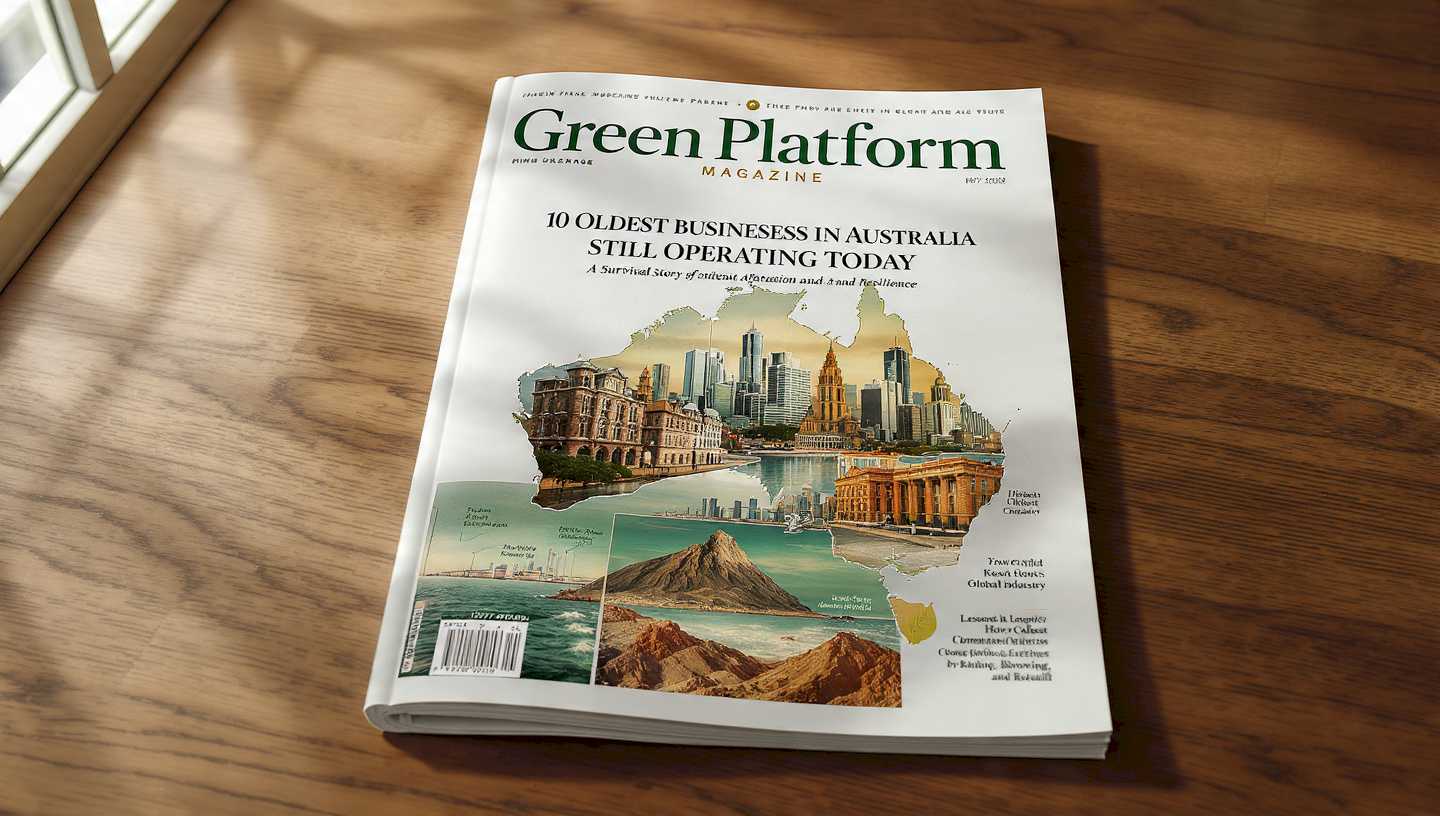
This article is a strong, thoughtfully crafted piece—and what really stands out is how it treats business longevity as a living survival narrative, not just a list of founding dates. The framing mirrors Australia’s own story: isolation, risk, reinvention, and quiet endurance. By anchoring each company to a clear survival strategy, the content elevates these businesses from historical curiosities into case studies of adaptation. The writing balances poetic atmosphere with practical insight, making it engaging for general readers while still meaningful for entrepreneurs and historians. Most importantly, it avoids nostalgia for nostalgia’s sake—heritage here isn’t romanticized, it’s earned through continuous evolution. The closing reflection lands especially well, reinforcing that resilience comes from knowing when to change, not just how long you’ve been around.
https://greenplatform.info/10-oldest-businesses-in-australia-still-operating-today-2026/

Good evening.
In a world where startups celebrate surviving five years, Asia quietly reminds us what real longevity looks like.
The recent feature on Green Platform highlighting the oldest businesses still operating in Asia isn’t just a history lesson — it’s a reality check.
https://greenplatform.info/10-oldest-businesses-in-asia-still-operating-today-2026/
Consider this: companies like Kongō Gumi, founded in 578 AD, and Nishiyama Onsen Keiunkan, established in 705, have outlived empires, pandemics, wars, and technological revolutions. These are not relics frozen in time. They are living enterprises, adapting generation after generation.
What stands out is not simply their age — it’s their discipline.
From family-run inns like Hōshi Ryokan, to ritual craft specialists such as Genda Shigyō and Tanaka-Iga Butsugu, these organizations prove that focus beats scale, and mastery beats hype.
Different industries. Different countries. One shared pattern.
They all protect their core identity while evolving their delivery.
No overnight pivots. No trend chasing. Just steady refinement, deep respect for craft, and a long-term view most modern businesses rarely practice.
And that, perhaps, is the real takeaway.
Longevity isn’t built on viral moments or quarterly spikes. It’s built on trust passed down through generations, on products that matter, and on leaders who think in decades — not dashboards.
These companies teach us that sustainability isn’t a buzzword. It’s a mindset.
Because when your business can survive 500… 1,000… even 1,400 years — you’re no longer just running a company.
Reference https://greenplatform.info/10-oldest-businesses-in-asia-still-operating-today-2026/
This article, titled "What is A Trademark and how to inforce it," is a strategic guide for business owners on the importance of protecting their brand identity.
Here is a commentary and analysis of whether the content is "good" or "bad" based on its value to you.
What the Article is About
The core message is that registration is not enough. Many business owners think that once they register a trademark, the government will protect it for them. The article corrects this, explaining that:
Policing is your job: Trademark offices (like IPOPHL in the Philippines or USPTO in the US) do not hunt down copycats for you; you have to find and stop them yourself.
Enforcement = ROI: It argues that protecting your brand isn't just a legal chore—it's a way to keep your business value high. If you let people copy you, your brand becomes "diluted" and loses its power.
Practical Steps: It lists simple ways to monitor your brand, like setting up Google Alerts or searching social media for imitators.
The Verdict: Is it Good or Bad?
I would rate this as a Good (High Quality) article for business owners and entrepreneurs. Here is why:
The Good (Pros):
Highly Practical: It moves past the "what is it" definition and gets into the "how to keep it" part, which is where most businesses fail.
Business-Focused: Instead of using heavy legal jargon, it talks about "ROI" (Return on Investment) and "Asset Valuation." This makes it very relevant if you are building a company to eventually sell or franchise.
Clear Structure: It uses emojis and bullet points, making it very easy to read even on a screen that might be a bit slow.
Realistic Advice: It admits that "enforcement" doesn't always mean expensive lawsuits; often, a simple "Cease and Desist" letter is enough.
https://greenplatform.info/what-is-a-trademark-and-how-to-inforce-it/


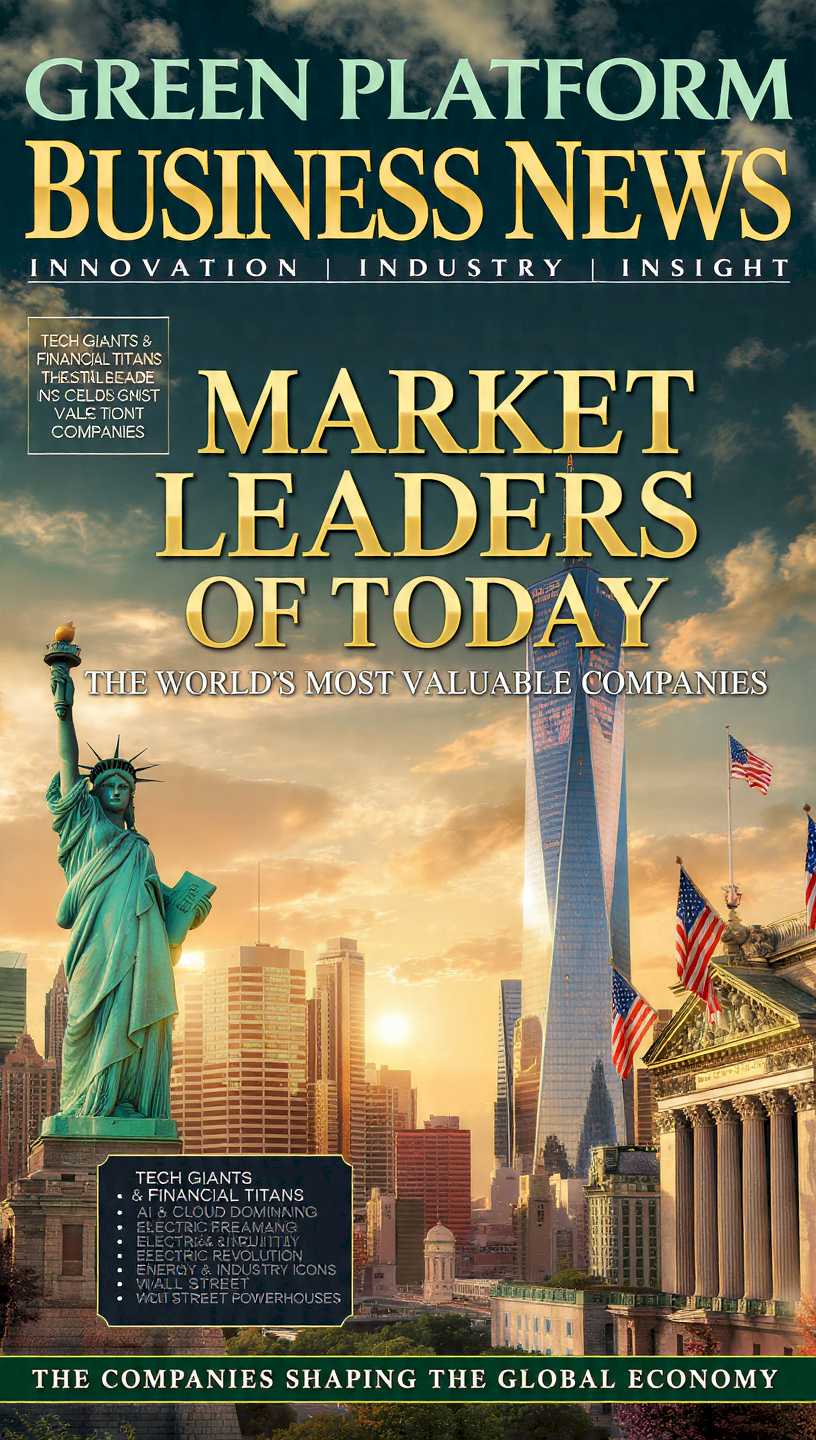
Hi friends — I came across an interesting business update today about the world’s market leaders and how they continue to shape the global economy. It looks at companies driving everything from AI and cloud computing to energy, healthcare, and finance.
👉 Green Platform Business News — Market Leaders Update
https://greenplatform.info/green-platform-business-news-market-leaders-update/
What stood out to me is how diverse today’s top companies really are.
On the technology side, names like NVIDIA, Microsoft, Apple, Alphabet, and Amazon show just how much the modern economy now depends on data, AI, cloud services, and digital ecosystems. These companies aren’t just selling products anymore — they’re building the infrastructure that businesses and consumers rely on every day.
Then you have Meta Platforms and Broadcom, working behind the scenes and on the front lines of connectivity — one shaping how people communicate globally, the other powering the networks and data centers that make it all possible.
I also find it interesting how innovation blends with real-world impact. Tesla continues to push electric vehicles and clean energy forward, while Berkshire Hathaway represents long-term stability through diversified investments across insurance, energy, railroads, and consumer brands. Anchoring much of the financial system is JPMorgan Chase, which plays a huge role in corporate banking, consumer lending, and global finance.
What I really appreciated in the update is the reminder that while many tech giants trade on Nasdaq, the New York Stock Exchange still hosts some of America’s most essential companies. Leaders like Johnson & Johnson in healthcare, Exxon Mobil in energy, Bank of America in banking, Coca-Cola in consumer goods, and Caterpillar in heavy industry remind us that the global economy isn’t built on tech alone.
My takeaway?
Today’s market leadership isn’t owned by one sector. It’s shaped by balance — innovation on one side, and foundational industries on the other. Technology may drive headlines, but finance, healthcare, energy, manufacturing, and consumer trust keep the world running.
It’s a good reminder that sustainable growth comes is about both disruption and dependability — building new ideas while supporting the systems people rely on every day.
Just thought I’d share — definitely worth a read if you’re interested in how today’s biggest companies are shaping tomorrow’s economy.
🏪 Top 10 Tips for Local Business Owners — Grow Your Community Presence with Smart Digital Tools
Running a local business comes with unique challenges: limited marketing budgets, competition from big brands, and the need to build trust face-to-face while also staying visible online.
While large platforms like Google, Meta, and Amazon offer massive reach, they’re designed for scale — not always for neighborhood growth.
That’s where focused platforms such as Green Platform make a difference. Instead of competing in noisy ad marketplaces, local businesses can build visibility, credibility, and engagement inside a community-oriented digital ecosystem.
Here are 10 practical tips to help local business owners grow — and how Green Platform supports each step.
1. Be Clear About Who You Serve
Local success starts with clarity:
What services do you offer?
Which neighborhood or audience do you serve?
What makes you special?
Green Platform lets you present your story, services, and values in one structured profile — helping nearby customers understand you at a glance.
2. Make It Easy for Customers to Find You
Many local businesses struggle simply because people don’t know they exist.
Instead of relying only on paid ads, Green Platform offers organic discoverability through business listings, helping customers find you naturally when searching for trusted local options.
3. Build Trust Before the First Visit
For local customers, trust is everything.
Green Platform supports:
Verified business profiles
Transparent information
Reviews and engagement
These features help customers feel confident before they walk into your store or book your service.
4. Turn Visibility into Conversation
Being seen is good — being contacted is better.
Green Platform emphasizes engagement, allowing customers to message, interact, and connect directly with your business instead of just scrolling past ads.
5. Understand Your Local Audience
Big analytics platforms can feel overwhelming.
Green Platform focuses on simple, actionable insights — showing how people discover and interact with your business so you can improve without needing technical expertise.
6. Market Without Breaking the Budget
Local businesses often can’t afford ongoing ad campaigns.
Green Platform provides a cost-efficient digital presence, helping you grow without depending on expensive pay-per-click advertising.
7. Show Your Values to Your Community
Today’s customers care about how businesses operate.
Green Platform allows you to highlight:
Sustainability efforts
Ethical practices
Community involvement
This helps you stand out as a responsible, people-first local brand.
8. Grow Locally First — Then Expand
Strong businesses start close to home.
Green Platform supports targeted discovery, helping you build momentum in your immediate area before thinking about wider markets.
9. Keep Everything in One Place
Managing separate tools for visibility, messaging, and customer info wastes time.
Green Platform brings these together into one ecosystem, so local owners can focus on serving customers instead of juggling platforms.
10. Compete with Connection, Not Noise
On massive platforms, small businesses are often buried beneath big advertisers.
Green Platform offers a focused environment where local businesses aren’t overshadowed by global corporations — giving you room to be noticed and appreciated.
🧠 Conclusion: Local Growth Starts with Visibility and Trust
Every successful neighborhood business is built on relationships.
While major platforms excel at global reach, they often require large budgets and constant optimization. Green Platform takes a different approach — helping local businesses strengthen their online presence, showcase their values, and engage customers through transparent information and meaningful connections.
By combining discoverability, credibility, community, and insights in one place, Green Platform empowers local owners not just to survive — but to grow with purpose.
In today’s digital world, winning locally isn’t about being everywhere.
It’s about being visible to your community, trusted by your customers, and connected through shared values.
That’s how small businesses build lasting impact — one neighborhood at a time.

From Barter to the Digital Economy
From the earliest barter systems in ancient Mesopotamia to today’s digital marketplaces, commerce has always evolved around one central idea: connecting buyers and sellers in ways that build visibility, trust, and value. Whether it was the Silk Road bridging East and West in the 1st millennium or steam-powered factories reshaping global supply chains in the 18th century, each innovation in trading systems expanded reach and enabled deeper engagement.
In the same spirit of evolution, modern digital platforms like Green Platform take this centuries-old principle further by helping conscious, eco-friendly businesses not just appear online, but thrive through connected digital presence. Leveraging data-driven insights and integrated visibility, Green Platform bridges the gap between brands and ethical consumers — reminding us that the core of commerce remains the same: visibility that leads to meaningful connection.
Commerce is one of humanity’s oldest survival tools — long before apps, websites, or online platforms existed, people were already exchanging value to meet daily needs. What began as simple barter between neighbors slowly evolved into organized trade networks, financial systems, and eventually today’s interconnected global marketplaces.
Understanding the history of commerce helps us see why modern platforms emphasize visibility, engagement, and data-driven growth. Even in ancient times, successful traders were those who built trust, expanded reach, and adapted to new systems — the same principles that guide digital business ecosystems today.
Let’s walk through the key stages of how commerce and trading developed across history.
🌾 Ancient Trade & the Barter System (c. 9000–3000 BCE)
The earliest form of commerce was barter — exchanging goods directly, such as grain for tools or livestock for pottery.
One of the first organized trading societies emerged in Babylon, where merchants operated under structured rules. Around 1754 BCE, King Hammurabi introduced the Code of Hammurabi, one of the earliest legal frameworks to regulate trade, contracts, pricing, and debt.
Meanwhile, ancient Egypt developed river-based commerce along the Nile, while the Indus Valley civilization created standardized weights — an early sign of measurement systems designed to make trade fair and repeatable.
Key idea of this era:
Commerce moved from informal exchange to regulated systems, proving that trust and structure are essential for sustainable trade.
🛤️ Classical & Medieval Trade Routes (c. 500 BCE – 1500 CE)
As civilizations expanded, trade routes connected continents. Spices, silk, gold, and ideas traveled between Asia, the Middle East, Europe, and Africa.
Merchants in cities like Venice became powerful intermediaries of global trade. During the 13th century, explorer Marco Polo helped open European awareness of Asian markets through his journeys and writings.
By 1600, England formalized overseas commerce through the East India Company, one of the world’s first multinational corporations, setting precedents for shares, investors, and global supply chains.
Key idea of this era:
Trade scaled through networks and connectivity — early versions of today’s global platforms.
⚙️ The Industrial Revolution & Modern Capitalism (1760–1900s)
The Industrial Revolution transformed commerce from manual production to machine-driven manufacturing.
In 1776, economist Adam Smith published The Wealth of Nations, laying the intellectual foundation of modern capitalism and free markets.
Innovators like Richard Arkwright revolutionized textile manufacturing, enabling mass production. Around the same time, stock exchanges expanded, banking systems matured, and retail shifted toward department stores.
This period introduced:
Mass production
Wage labor
Formal finance
Consumer markets
Key idea of this era:
Commerce became systematized and scalable, powered by technology and capital.
🌐 Digital Commerce & Platform Economies (1990s–Present)
The late 20th century brought the internet — and with it, e-commerce, online marketplaces, and data-driven business models.
Today, commerce is no longer just about selling products. It’s about:
Digital visibility
Customer engagement
Analytics and insights
Integrated communication
Modern platforms act as connectors between businesses and customers, offering tools for listings, messaging, reviews, and performance tracking — echoing the same historical pattern: successful trade always follows reach, trust, and adaptability.
Throughout history, commerce has continually adapted — from bartering in ancient markets to multinational corporations in the Industrial Age, and now to digital ecosystems that enable global reach in minutes. Yet at every stage, success has depended on one foundational element: being seen, understood, and trusted.
Today, platforms such as Green Platform embody this evolution by offering more than simple online listings. They provide a trusted registry of vetted sustainable businesses, enriched with meaningful insights, Sustainability Snapshots, and a community that values ethical practices — helping conscious consumers make informed decisions and businesses build lasting engagement.
By integrating digital strategy with values-based commerce, Green Platform shows that even in the digital age, the oldest principles of trade — visibility, transparency, and trust — still drive success. Modern commerce doesn’t replace history — it builds on it, using digital tools to connect people and purpose like ever before.
https://greenplatform.info/about-us/